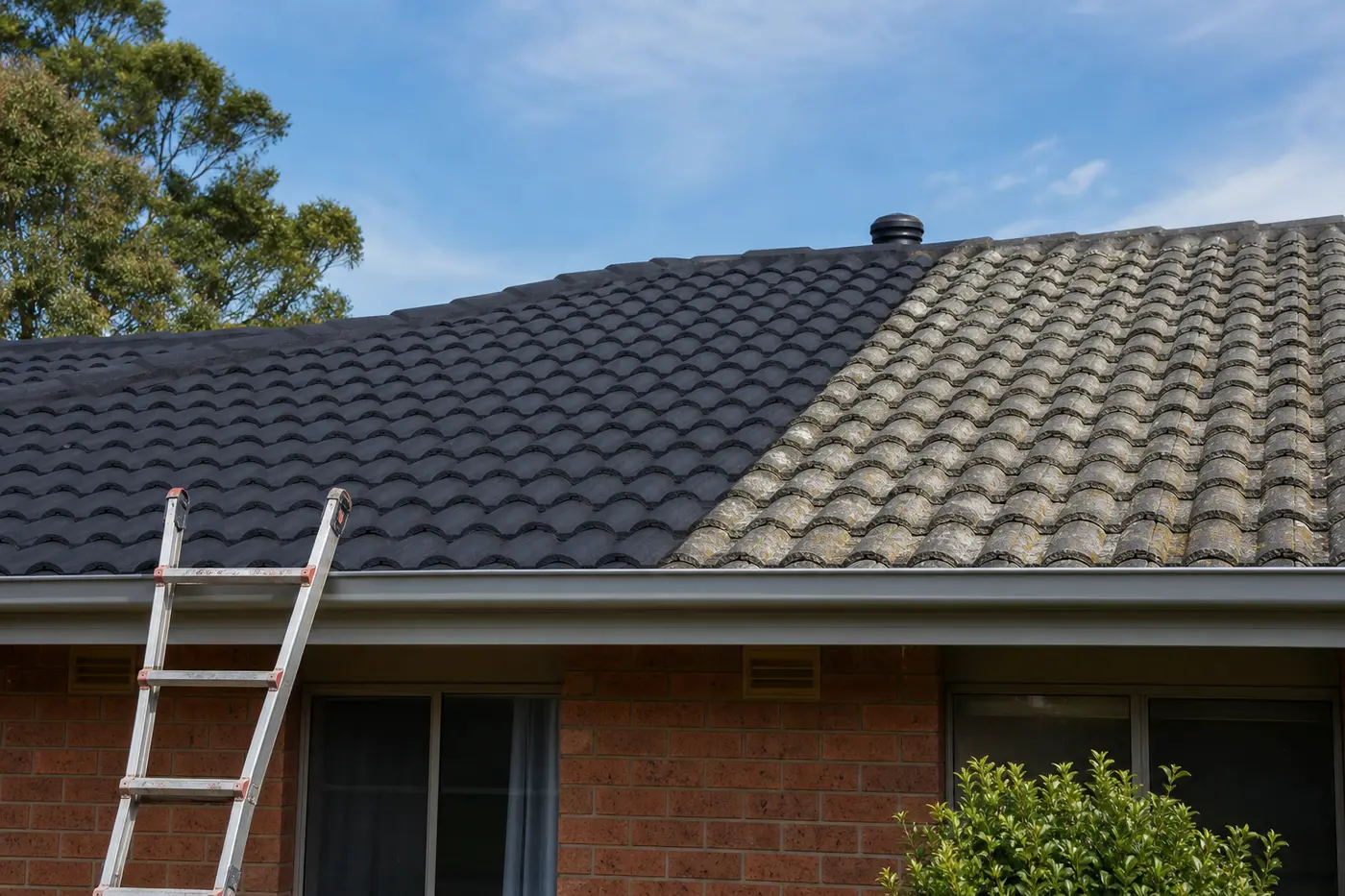
You’re standing in the driveway looking up at a roof that has seen better days. Some tiles are cracked, the colour has faded to a chalky grey, and after the last big storm you found a damp patch on the ceiling. So do you get it restored, or is it time for a whole new roof? That’s the roof restoration vs replacement question, and it’s easily the one we get asked most by homeowners around Narre Warren. The honest answer is that it depends on the bones of your roof, not just how it looks from the ground.
We restore tile and metal roofs for a living, so you’d expect us to push restoration every time. We don’t. There are roofs we look at and tell the owner straight up that a coat of paint would be throwing good money after bad. Below is how we actually make that call, so you can weigh it up before anyone climbs a ladder.
What a restoration actually does to a roof
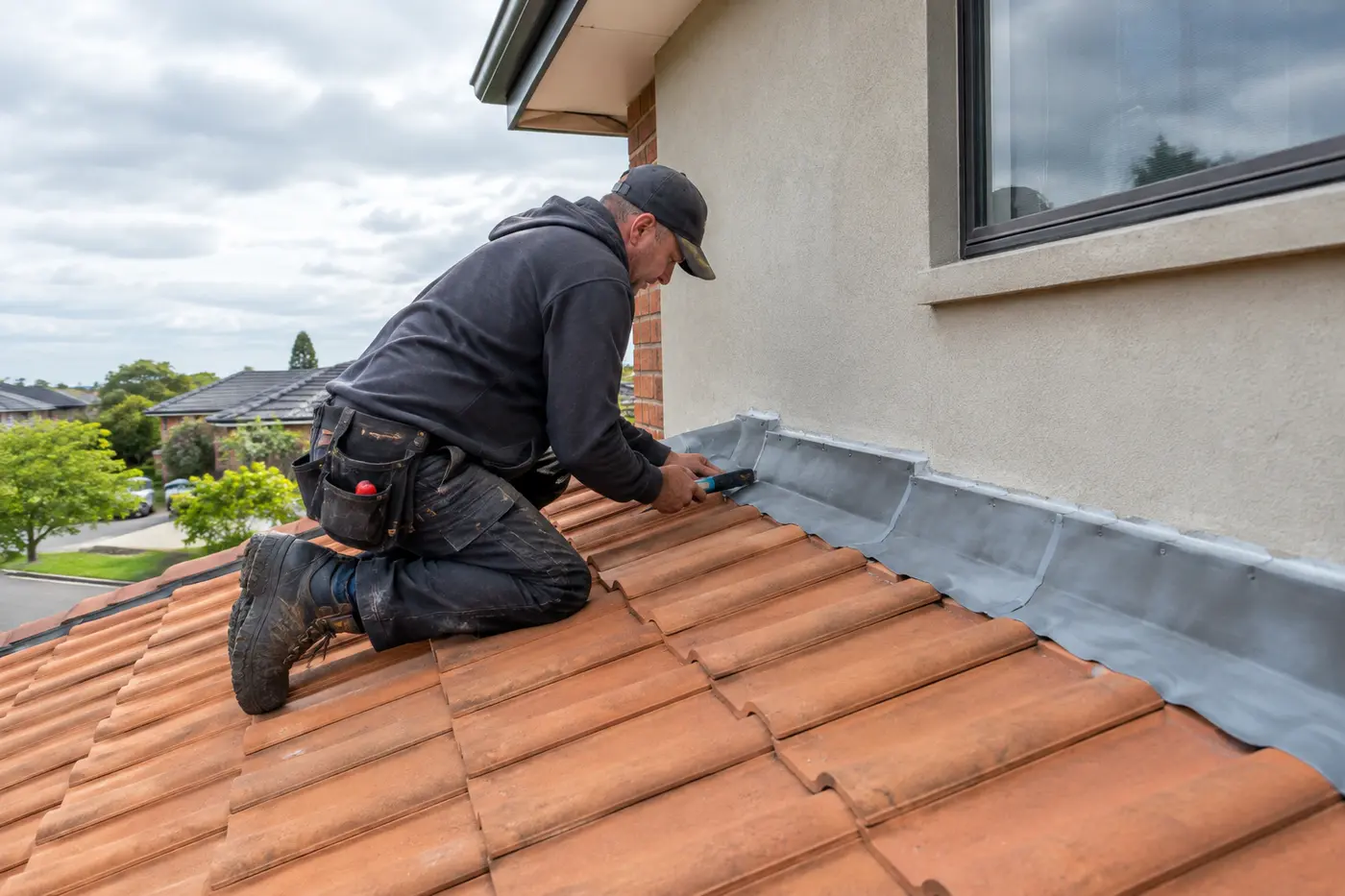
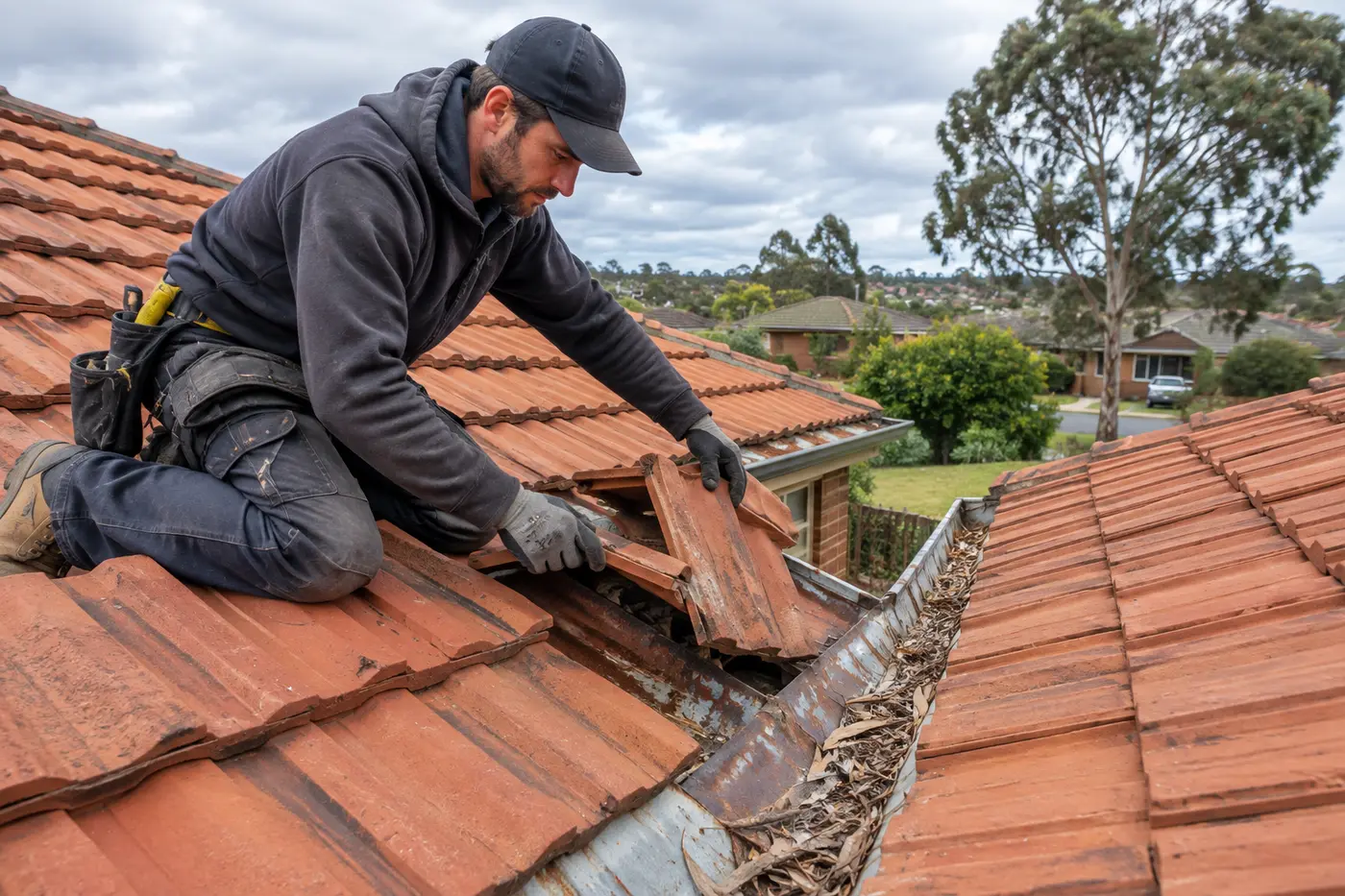
A restoration works with the roof you already have. Nothing gets torn off. On a tile roof, that usually means a proper clean to lift off moss and lichen, replacing the handful of tiles that are cracked or broken, then rebedding and repointing the ridge caps so the mortar holding everything in place is solid again. After that comes a sealer and two coats of a protective membrane, which is where the fresh colour comes from.
The repointing step matters more than most people realise. It’s the flexible pointing along the ridges that keeps caps from lifting in wind and rain, and it’s often the first thing to fail on an older roof. If you want the detail on that one job, we wrote a separate piece on what roof repointing involves and when it’s needed.
On a metal roof it looks a little different: rust treatment, resealing or replacing fasteners and flashings, then a protective coating. Either way, the point is the same. Restoration extends the life of a sound roof and makes it weather-tight and sharp-looking again, without the cost and mess of ripping it off.
What replacement means, and when there’s no way around it
A replacement, or reroof, is a total job. The old tiles or sheets come off, and depending on the state of things the battens and sarking underneath may go too. Then a new roof goes on from scratch. It’s the bigger, more expensive, more disruptive option, and sometimes it’s genuinely the only sensible one.
We’d point you toward a new roof or full replacement when the structure itself has gone. If the battens are rotten, the sarking has failed across the whole roof, or a large share of the tiles are porous and crumbling rather than just faded, no coating on earth will fix that. Same story if a roof has already been restored a couple of times and is simply at the end of its run. Coating a roof that’s structurally finished just hides the problem for a season or two.
How to tell which camp your roof is in
You can’t always judge this from the driveway, but there are a few honest signals. Restoration is usually the right fit when:
- The tiles or sheets are mostly sound, with only a handful cracked or slipped.
- The problems are on the surface: faded colour, moss and lichen, tired pointing.
- You’ve had the odd small leak rather than water coming through in several spots.
- The roof frame and battens are still solid underneath.
Replacement starts to make more sense when the trouble is structural: widespread rot or sagging, sarking that has broken down across the roof, leaks in multiple areas at once, or tiles that snap the moment someone walks on them. Age alone isn’t the decider. Most tile roofs we see around here are twenty to forty years old and restore beautifully. It’s the condition underneath the tiles that settles it, which is exactly why we start every job with a proper inspection and show you photos of what’s actually up there.
Cost, time and disruption: the honest comparison
Money is usually what the decision comes down to, so here’s the plain version. A restoration costs a good deal less than a full replacement, often a fraction of it, because you’re keeping the existing roof and treating it rather than buying and installing a whole new one. It’s also faster and far less disruptive. Most restorations are done and dusted in a few days, with your family living in the house the whole time.
A replacement is a larger investment and a bigger interruption. There’s noise, there’s the roof being open to the weather during the changeover, and there’s more labour and material going into it. What you get for that is a brand-new roof with a fresh, long lifespan ahead of it. If you want real figures rather than ranges, we broke the numbers down in our guide to what a roof restoration costs in Narre Warren.
One thing worth saying: a restoration isn’t a cheap trick to dodge a replacement. Done properly on a sound roof, it can add a decade or more of good service. Done on a roof that’s already finished, it’s a waste. That’s the whole reason we won’t quote a restoration on a roof that clearly needs replacing.
What we usually land on in Narre Warren
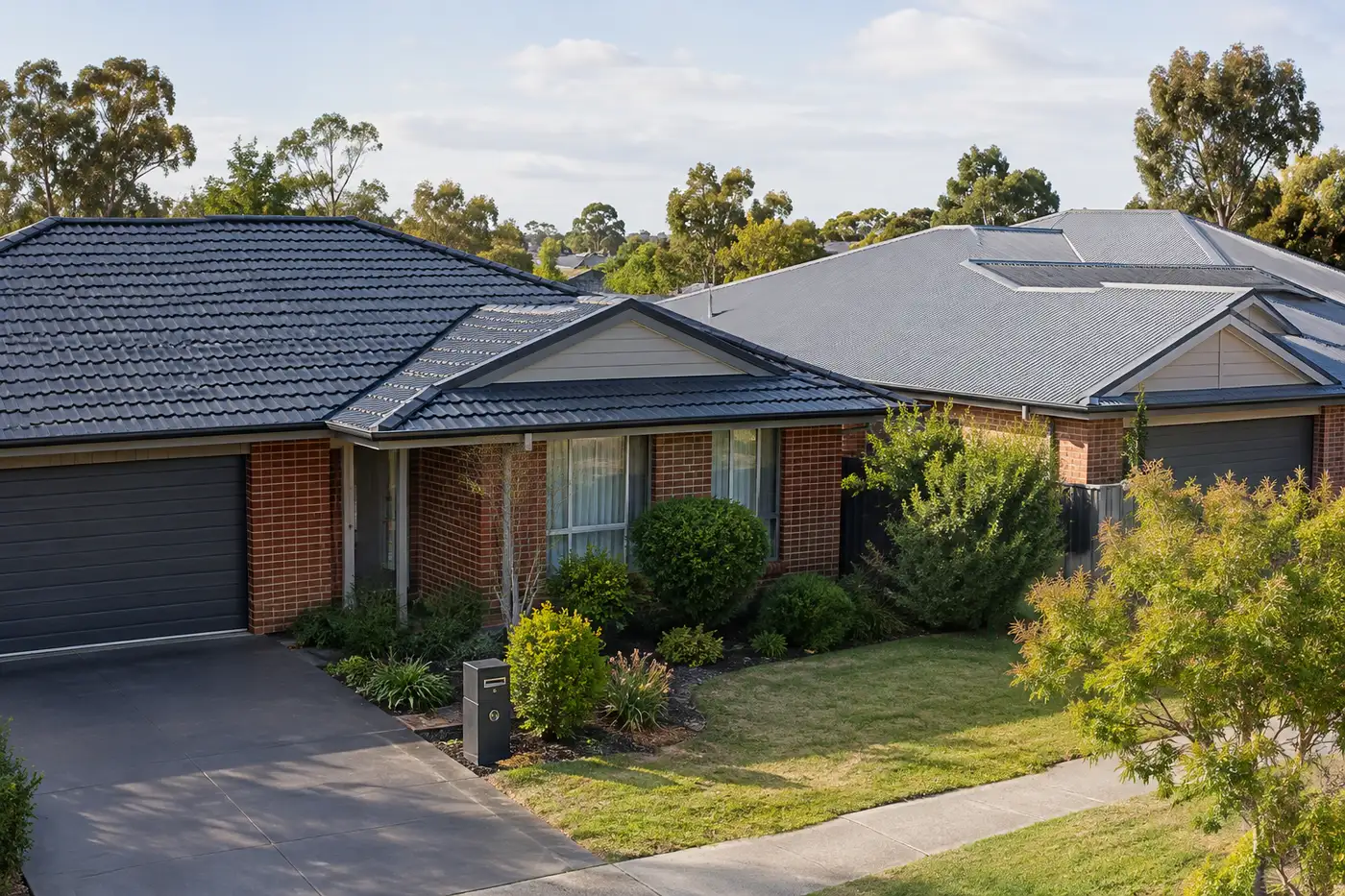
For the majority of homes we look at across Narre Warren, Berwick, Hallam and the surrounding suburbs, restoration turns out to be the better value call. The roofs are the right age, the tiles are sound, and the issues are the kind that a clean, some repointing and a proper coating will sort out for years. When that’s the case, our tile and metal roof restoration work comes with a 10 year warranty on workmanship and products, which tells you we’re backing the roof to last, not just tidying it up for a sale.
When a roof genuinely needs replacing, we’ll tell you that too, and we won’t sugar-coat it. The right answer is the one that suits your roof, not the one that suits our week. A quick inspection settles the debate far better than guessing from the ground, and it costs you nothing to find out where your roof really stands.
Common questions about restoring vs replacing a roof
Is roof restoration worth the money?
On a roof that’s still structurally sound, yes. A restoration costs far less than a new roof and can add ten years or more of life while making the roof weather-tight and looking new again. On a roof that’s rotten or failing underneath, it isn’t worth it, and a replacement is the smarter spend.
How long do roof restorations last?
A properly done restoration on a sound roof generally gives you well over a decade of good service before it needs attention again. The exact span depends on the roof, the coating used and how much weather it cops. We back our restorations with a 10 year warranty on workmanship and products.
Should you replace a 15 year old roof?
Rarely. Fifteen years is young for a tile roof, and at that age the tiles themselves are almost always sound. Unless something structural has gone wrong, a roof that age is a strong candidate for restoration rather than replacement. An inspection will confirm it either way.
How often should you restore a roof?
Most tile roofs need a full restoration once every fifteen to twenty years or so, with lighter maintenance like a clean or a bit of repointing in between. Metal roofs vary depending on the coating and the amount of rust. Regular inspections stop small problems from turning into a reroof.
Can any roof be restored instead of replaced?
No, and that’s the honest bit. A restoration only works when the underlying roof is sound. If the battens or sarking have failed, or a large share of tiles are porous and crumbling, no coating will fix that and a replacement is the right move. That’s what an inspection is for.
How do I know for sure which one my roof needs?
Get someone up on the roof to look properly. From the ground you can spot faded colour and the odd cracked tile, but you can’t see the state of the pointing, the sarking or the battens. We inspect the roof, photograph what we find and talk you through whether a restoration will do the job or whether replacement is the better call.