The storm comes through on a Tuesday night. By Wednesday morning there’s a brown ring on the bedroom ceiling and a bucket on the carpet. The next question, almost every time, is the one people ask us before they ask what the repair will cost: does insurance cover roof leaks, or am I paying for this myself?
The honest answer is that it depends on why the roof leaked, not on the fact that it leaked. We’re roofers, not insurance assessors, so we can’t tell you what your insurer will decide. What we can tell you is how the cause of a leak usually gets judged, because we’re the ones up on the roof finding it.
Insurers pay for sudden events, not slow decline
Most Australian home and building policies are written around one idea. They cover damage from a sudden, specific event: a storm, hail, a falling branch, wind lifting sheets or tiles. They generally don’t cover damage that built up over time through wear, age or a lack of maintenance.
So the same drip through the same ceiling can land on either side of that line. A tile smashed by a branch during a storm is an event. A tile that cracked years ago and has been letting a little water in every winter is wear and tear. The water stain looks identical from inside the house. From the roof, the difference is usually obvious.
Every policy is different, and the wording of yours is what counts. Read the sections on storm damage, water damage and exclusions before you lodge anything, or ring your insurer and ask them to walk you through it.
The leaks that usually get knocked back
These are the causes we find most often on roofs around Narre Warren, Berwick and the older streets towards the hills. Most of them fall under maintenance, which policies typically exclude:
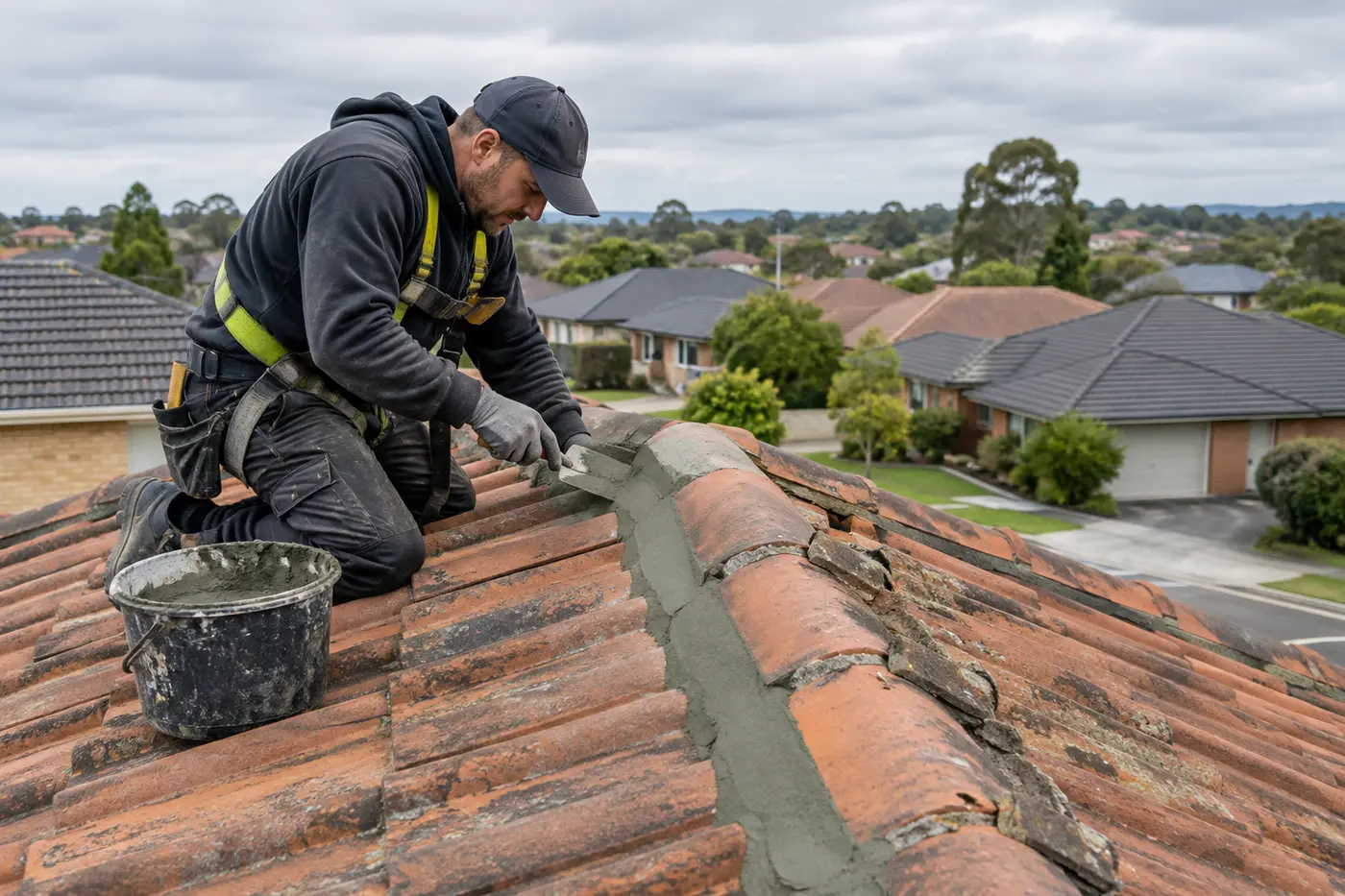
- Cracked or crumbling ridge pointing, the mortar strip that seals the capping along the top of a tile roof
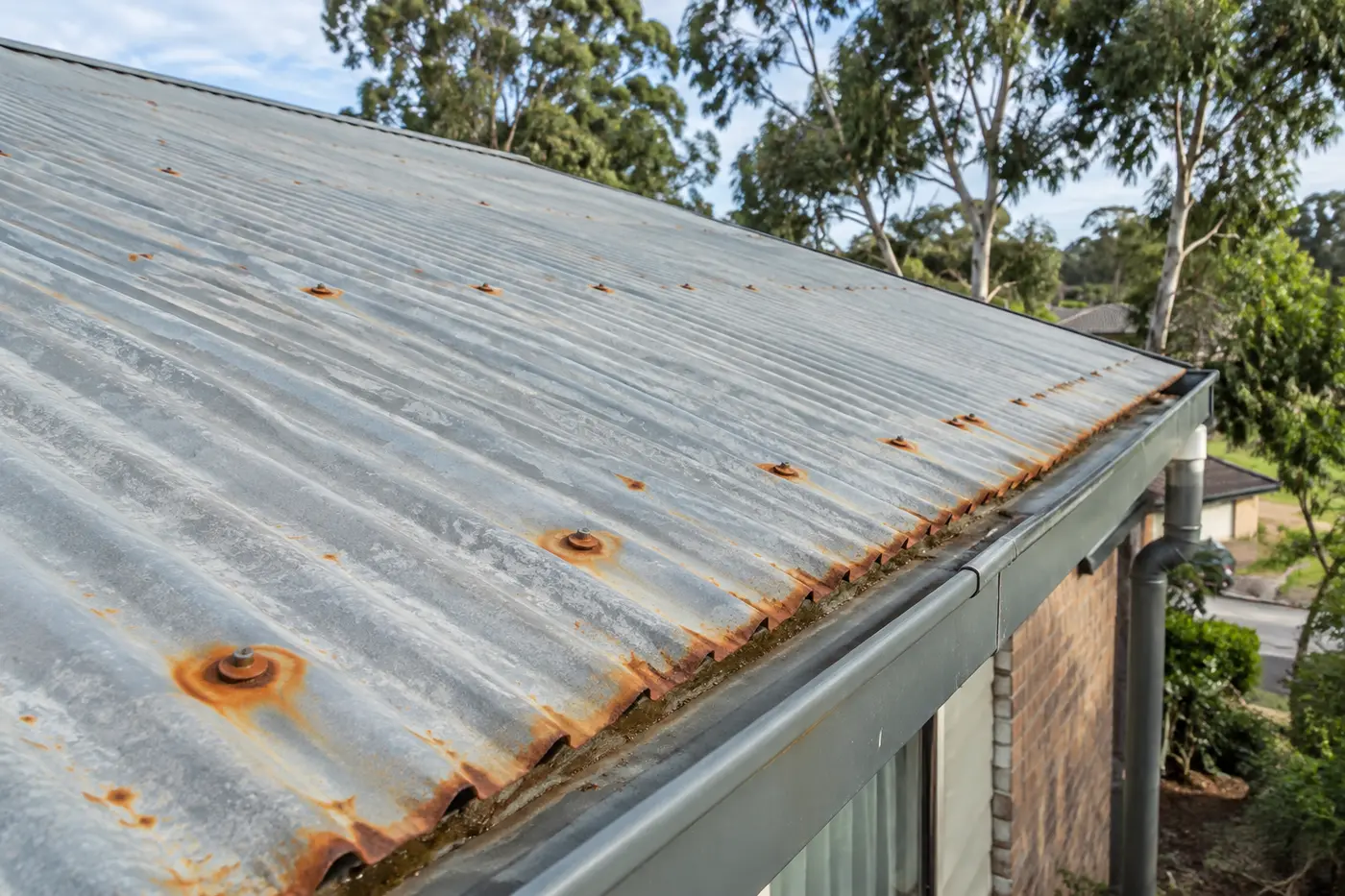
- Rusted valley irons, flashings or roof sheets
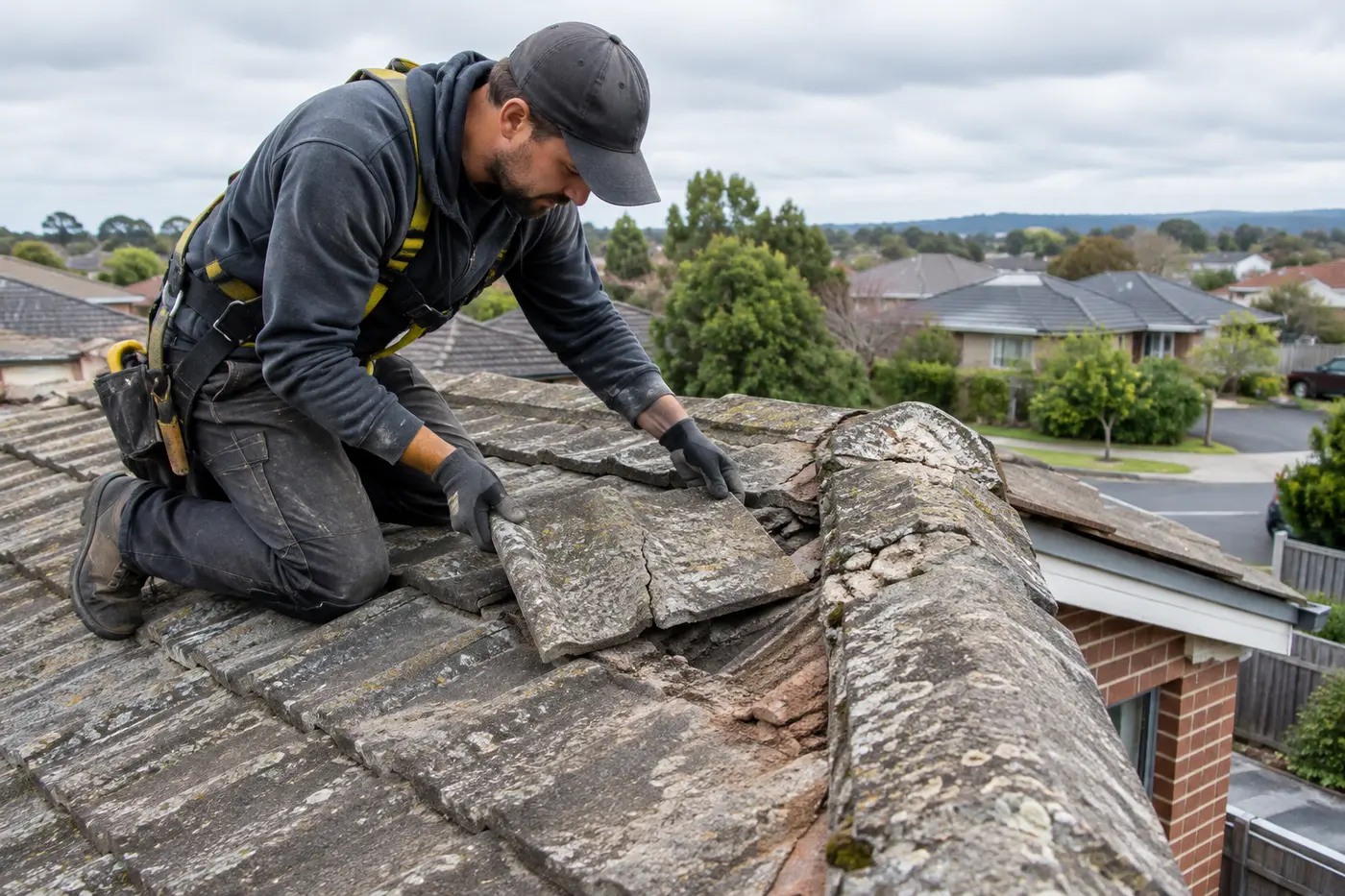
- Old cracked tiles that have been slowly letting water in
- Blocked gutters and valleys overflowing back under the roof line
- Perished seals around skylights, flues and vents
This is where a lot of people get caught out. A big storm often reveals a problem rather than causes it. If heavy rain pushes water through pointing that was already cracked, an assessor may decide the storm only exposed a maintenance issue. That can feel unfair when the ceiling was dry until that night, but it is how many claims are assessed. If you want to understand what’s behind your particular leak, our guide on why roofs start leaking goes through the usual suspects one by one.
When a roof leak claim has a fair chance
Claims tend to stand up when there is clear, physical evidence of an event. Hail fractures across a whole roof face. Tiles or sheets that were lifted or blown off. A tree limb sitting on the roof. Ridge capping knocked out of line on a roof where the pointing was otherwise sound.
Timing matters as well. If the damage lines up with a storm that was recorded in your area, and the roof was in reasonable shape beforehand, you’re in a much stronger position. That’s one quiet benefit of keeping roof maintenance up to date. A roof that’s been looked after makes it far easier to show that the storm, not age, did the damage.
It’s also worth knowing that some policies treat the roof repair and the water damage inside differently. In some cases the ceiling, plaster and carpet may be considered separately from the fault on the roof that let the water in. Ask your insurer how your policy handles each part rather than assuming it’s all or nothing.
What to do before you lodge the claim
The first hours after a storm are about safety and stopping more water getting in. We’ve covered that in detail in our post on what to do first after storm damage, so here we’ll stick to the claim itself.
Photograph everything, inside and out
Take photos and video of the ceiling, the stain, the water on the floor and any debris in the yard. Do it before anything is cleaned up. Note the date and time of the storm. Don’t climb onto the roof to get pictures. A wet tile roof is dangerous, and no claim is worth a fall.
Limit the damage, then tell your insurer
Most policies expect you to take reasonable steps to stop things getting worse, such as moving furniture, putting buckets down and getting a temporary tarp or patch on the roof. Keep receipts for anything you pay for. Then contact your insurer early. Leaving it weeks can make it harder to link the damage to a particular storm.
Get a written report from a roofer
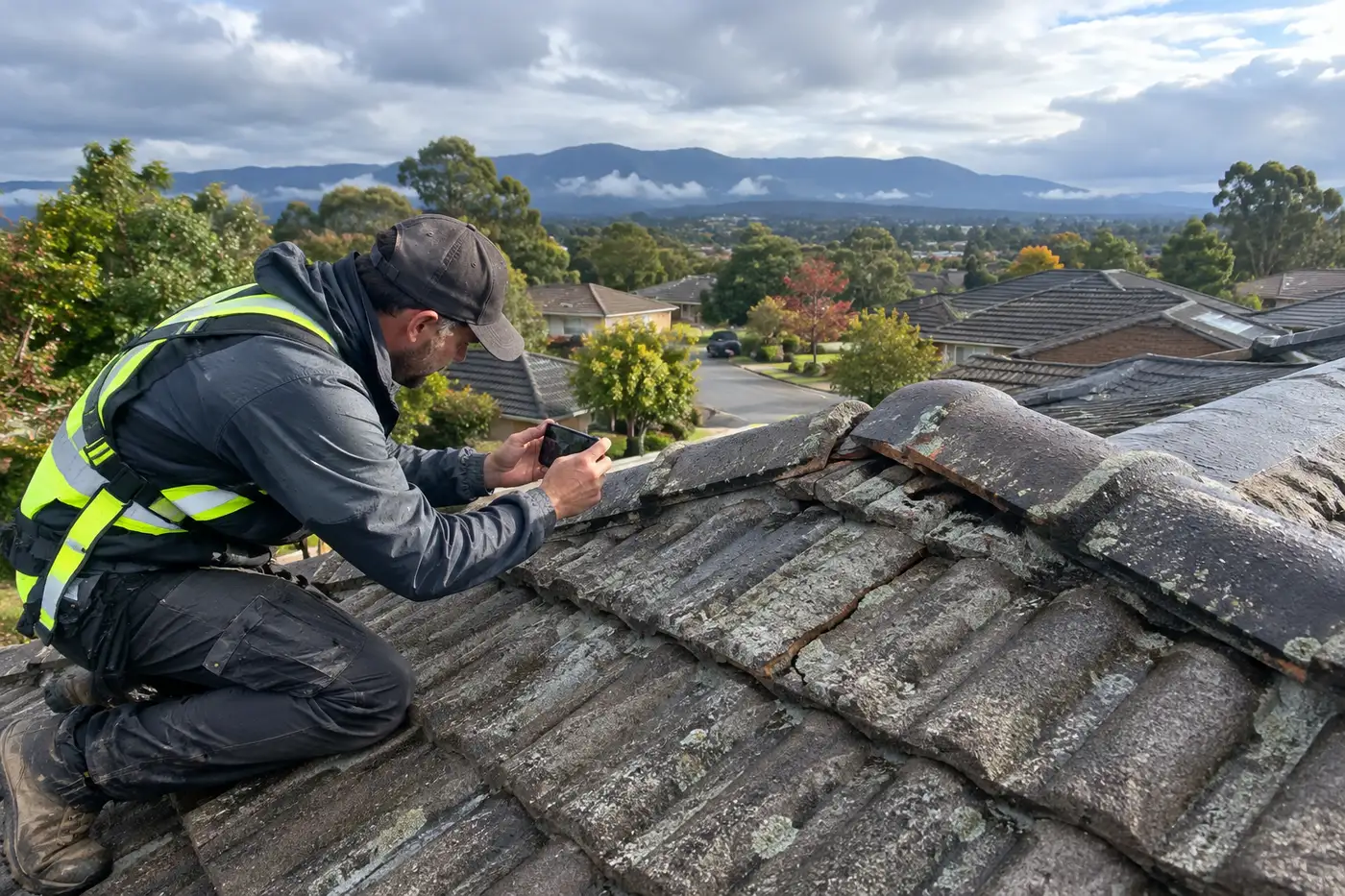
This is the piece people often skip, and it’s the one that carries the most weight. An assessor wants to know what failed and why. A report from a roofer who has actually been up there, with photos of the damage and a plain explanation of the cause, gives them something concrete to work with. When we do a roof inspection after a storm, we photograph what we find and talk you through it, so you can see the damage for yourself rather than taking anyone’s word for it.
We’ll also be straight with you. If what we find is old pointing or rusted flashing rather than storm damage, we’ll say so. It’s better to know that before you lodge a claim than after it’s been declined.
Keep the damaged materials
If tiles or sheets are replaced as an emergency repair, ask for the broken pieces to be kept. Your insurer may want to see them, and they’re hard to argue with.
If the claim is declined
A knockback isn’t always the end of it. Ask the insurer to put the decision and its reasons in writing. If you think they’ve got the cause wrong, you can use their internal complaints process, and if that doesn’t resolve it, the Australian Financial Complaints Authority (AFCA) handles disputes with insurers for free. A clear roofer’s report with dated photos is useful at every one of those steps.
If the leak really is down to wear and tear, the repair still has to happen, and the sooner the better. Water that keeps getting in will work through ceiling plaster, timber and insulation, which turns a small roof job into a much bigger one inside the house. In that situation the useful question changes from “will insurance pay?” to “what’s the right fix for this roof?”, whether that’s a targeted repair, repointing or a full restoration.
Find out what actually caused the leak
A claim or a straight repair, it all starts with someone getting up there and finding the real cause. We offer free inspections and quotes across Narre Warren and the surrounding suburbs. Book a free roof inspection and we’ll show you photos of what we find, explain what caused it, and give you a clear quote for the fix.
Common questions about roof leaks and insurance
Does home insurance cover roof replacement?
Sometimes, but insurers don’t replace roofs automatically. They usually pay to repair the damage a covered event caused, and a full replacement tends to come up only when that damage is widespread, such as severe hail across the whole roof. If the roof was already near the end of its life, expect that to be taken into account.
What damage does home insurance most often not cover?
Gradual damage is the big one. Wear and tear, rust, rot, poor maintenance and faulty workmanship are common exclusions across most policies. On roofs, that usually means old pointing, rusted valleys and flashings, and blocked gutters.
What happens if a roof leak is left untreated?
Water keeps finding its way into ceiling plaster, timber framing and insulation. Over time that can mean sagging ceilings, mould and rotted battens, and a much bigger repair bill. For insurance, leaving a known leak can also weaken your claim, because the damage starts to look like neglect.
How can you tell where a roof leak is coming from?
Not always from inside. Water often runs along battens or sarking before it drips, so the ceiling stain can show up well away from the actual gap. A roofer will trace it from above, checking the pointing, valleys, flashings and any tiles directly uphill of the stain.
Why does my roof only leak in heavy rain?
Heavy or wind-driven rain pushes water into places light rain never reaches. Overflowing valleys and gutters, worn pointing and lifted flashings are common causes. A leak that only shows in big storms is still worth fixing, because those are exactly the conditions when it does the most damage.
Can I use my own roofer for an insurance repair?
It depends on your insurer. Some will accept your own quote, while others prefer to send their own builder or assessor. Either way, an independent report on the cause of the damage is useful to have when you’re talking to them.