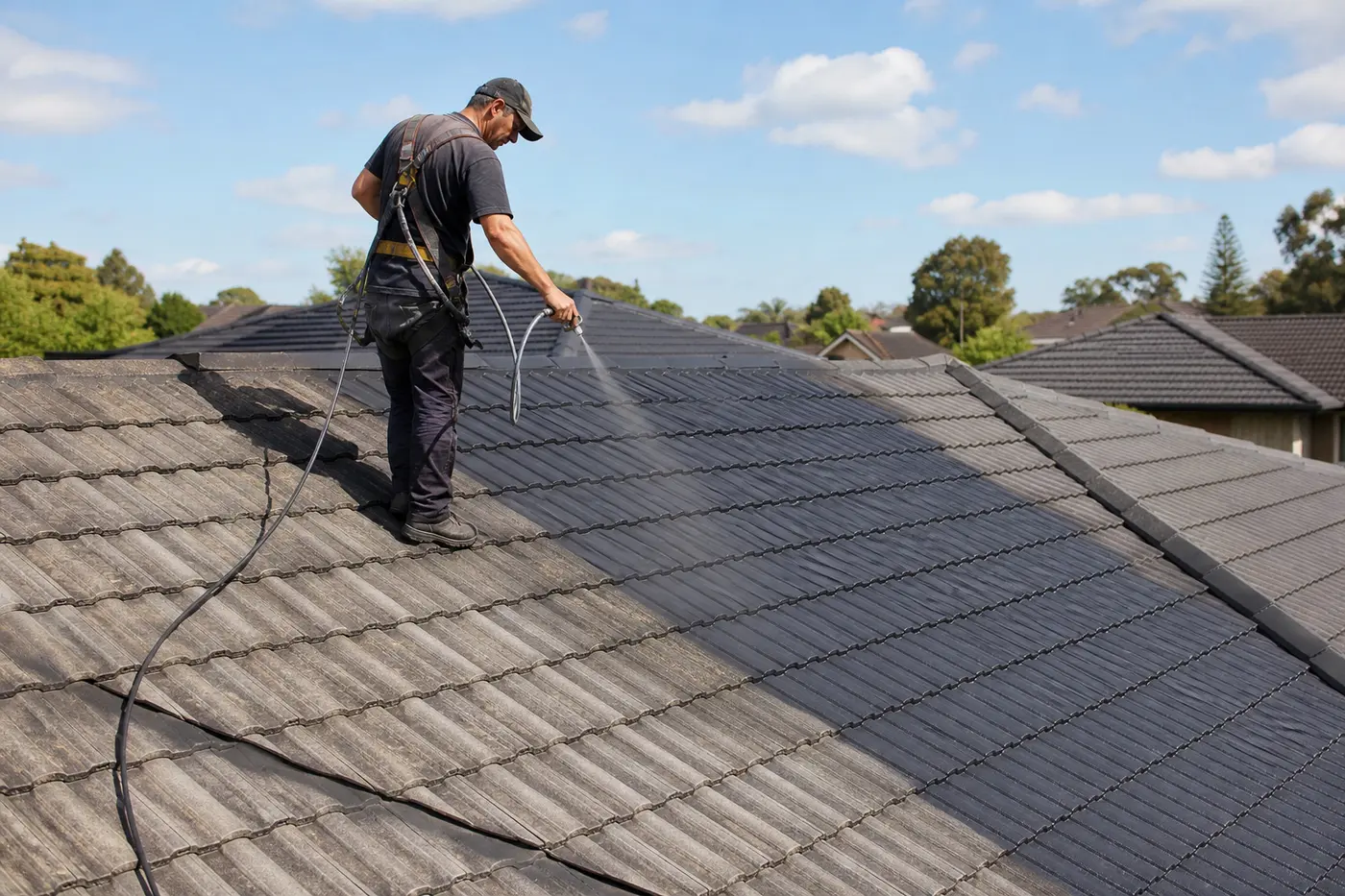
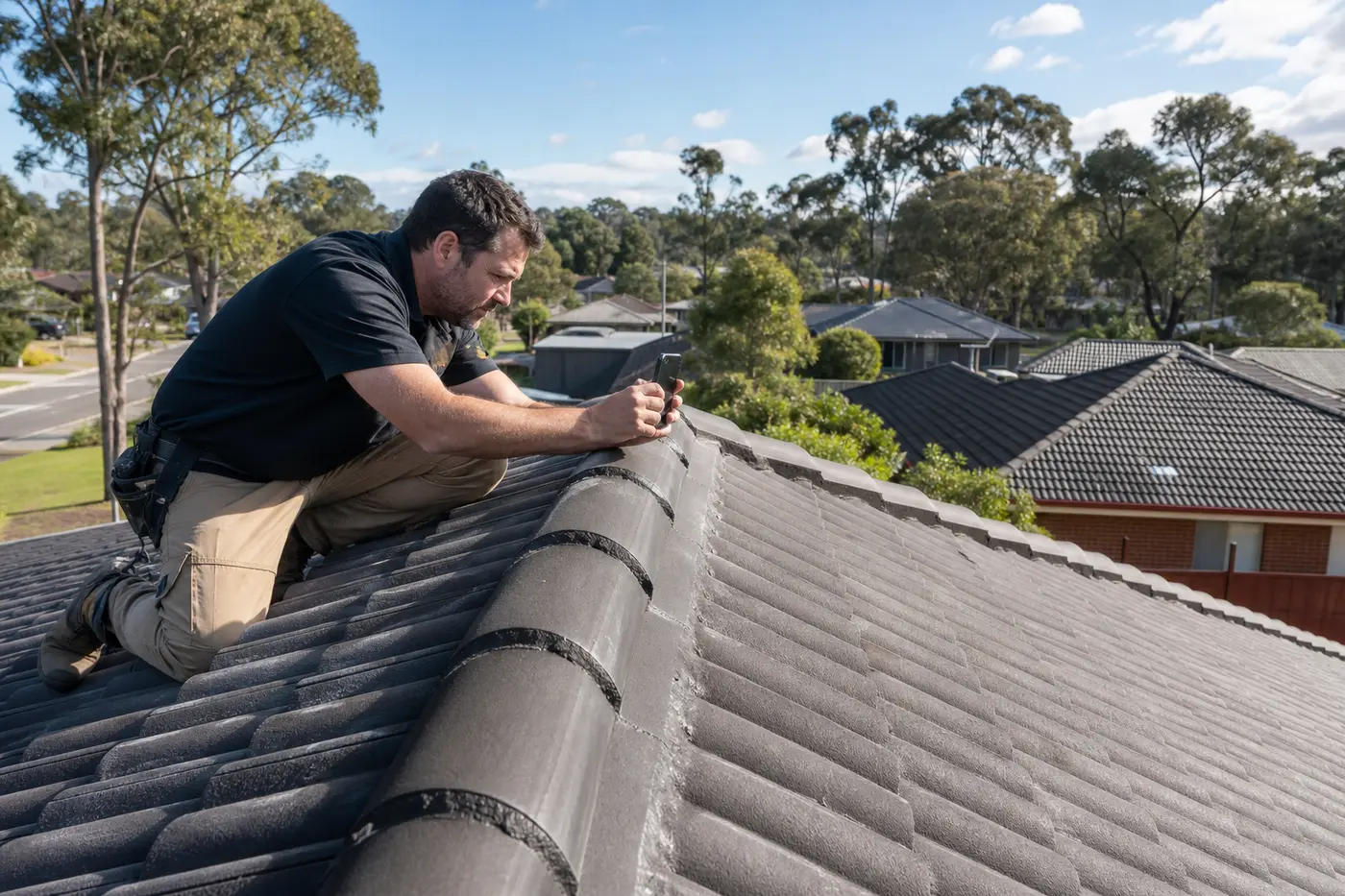
Most people don’t think about their roof until water is dripping onto the ceiling or a real estate agent asks for a report. By then you’re reacting, not planning. A roof inspection in Narre Warren is the cheap, boring step that saves you from the expensive, stressful one later. We climb up, take a proper look, and tell you honestly where things stand. No drama, no pressure to sign anything.
I get asked all the time what actually happens during an inspection, whether it’s worth paying for, and how often a roof needs checking. Here’s how we do it, and what you should expect from anyone you let up on your roof.
What we’re actually looking for up there
From the ground, a roof can look fine while the parts that keep water out are quietly failing. That’s the whole point of getting up close. On a typical tile roof around Narre Warren we’re checking a handful of things that tend to go first.
- Ridge capping and pointing. The mortar along the ridges and hips cracks and lets go over time. It’s one of the most common causes of leaks we find, and it’s often the first thing to fail.
- Cracked, slipped or broken tiles. A few damaged tiles let water straight into the roof cavity. Foot traffic, falling branches and old age all do it.
- Flashings and valleys. The metal around chimneys, vents and where two roof sections meet takes a beating. Rusted or lifted flashing is a classic leak point.
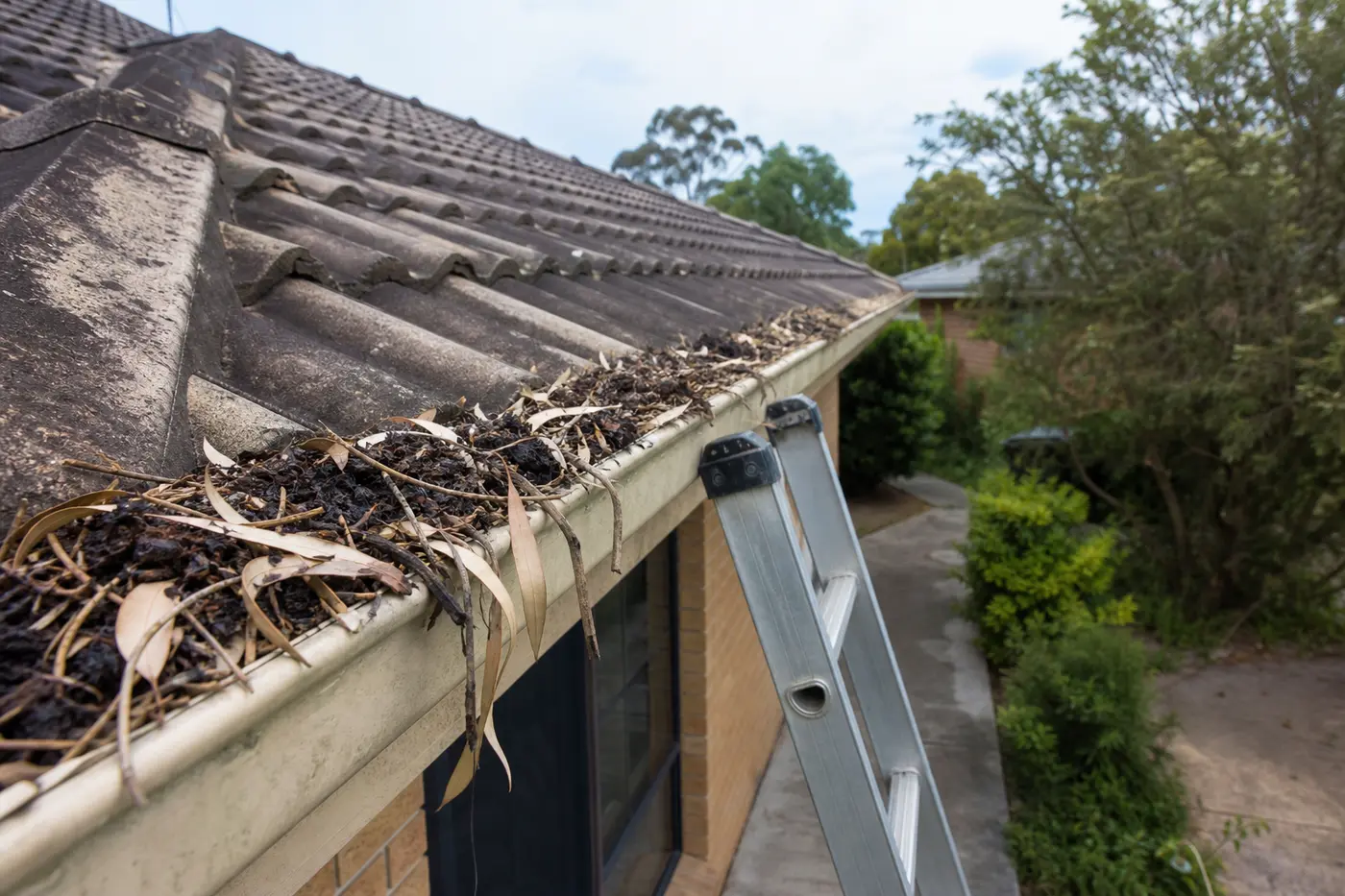
- Gutters and downpipes. Blocked or sagging gutters back water up under the tiles, which causes trouble you won’t see until it stains a ceiling.
- The roof coating and general wear. On painted or metal roofs we look at how the coating is holding up, plus any rust starting on steel.
On metal roofs the checklist shifts a bit toward fasteners, rust spots and sealant around penetrations, but the idea is the same. We’re finding the small problems while they’re still small.
When it’s genuinely worth booking one
You don’t need a roof inspection every few months. But there are a few moments where getting up there early pays off.
After a big storm. Melbourne weather doesn’t muck around, and a rough night of wind and hail can lift tiles or dent flashing without leaving any sign you’d spot from the footpath. If you’ve had a wild storm, it’s worth a look.
Before you buy or sell. A pre-purchase check tells you whether the roof over your new home has years left or a big bill coming. If you’re selling, a tidy roof and a clean report make a real difference to buyers.
When you spot the warning signs. Damp patches on the ceiling, tiles on the ground after wind, sagging gutters, or moss creeping across the tiles all say it’s time. If your roof has started leaking, don’t wait, because a small leak rarely stays small.
Every few years as a matter of habit. Most tile roofs we look at are a couple of decades old, and a lot can shift in that time. A regular check keeps you ahead of it.
What a proper inspection includes
An inspection is only useful if you can see what we saw. So we don’t just climb down and tell you it’s “a bit worn.” We photograph the problem areas up close, walk you through what each one means, and give you a clear picture of what needs doing now versus what can wait.
That’s the part homeowners tell us they value most. You get to look at the actual cracked pointing or the rusted valley on your own phone or the report, rather than taking a stranger’s word for it. From there you can make a call on repairs, a professional roof inspection and quote, or just noting it down for next year. If work is needed, we back our workmanship and products with a 10-year warranty, so you know the fix is meant to last.
What it should cost you
This is where I can save you some money. A lot of roofers and building inspectors charge for a standalone written report, and that’s fair enough for the time involved. Ours are free. We do no-obligation inspections and quotes across Narre Warren and the surrounding suburbs, because we’d rather earn the job than charge you to look.
Free doesn’t mean rushed. Cam and the crew treat it the same way we’d treat a paid one, and there’s genuinely no pressure to book work off the back of it. If your roof is in good nick, we’ll tell you that and you can get on with your day.
Inspection first, then decide
The reason we push inspections so hard is that they turn guesswork into a decision. Once you can see the real state of the ridge capping, the tiles and the flashings, the next step usually sorts itself out. Sometimes that’s a quick repair. Sometimes it’s a full restoration to squeeze another couple of decades out of the roof. And occasionally it’s a bigger conversation about whether to restore or replace, which we’ve covered in our guide on restoration versus replacement.
Whatever the answer, you’ll be making it with the facts in front of you instead of hoping the ceiling holds out another winter.
Common questions about roof inspections
What is included in a roof inspection?
A good inspection covers the ridge capping and pointing, the tiles or metal sheets, the flashings and valleys, and the gutters and downpipes. We check for cracks, leaks, rust, movement and any spots where water could get in. You should come away with photos of the problem areas and a plain explanation of what they mean.
How often should I get a roof inspection?
For most homes, once every few years is plenty, plus an extra look after any severe storm. Older roofs, and roofs with a history of leaks, are worth checking a bit more often. If you’re buying a home, get one done before you sign.
How much does a roof inspection cost in Narre Warren?
We offer free, no-obligation inspections and quotes, so it costs you nothing to find out where your roof stands. Some inspectors and roofers do charge for a formal written report, so it’s always worth asking upfront whether a fee applies before you book anyone.
How many years does a roof usually last?
A tiled roof can last several decades, but the mortar pointing and any protective coating wear out well before the tiles themselves do. That’s why an old roof often needs restoration rather than replacement. A quick inspection tells you which stage yours is at.
How do I know when it’s time to replace my roof?
Widespread cracked or crumbling tiles, sagging sections, and repeated leaks in different spots all point toward bigger work. Often a restoration is still the better value option, and an inspection is the only reliable way to know. We’ll give you an honest read rather than pushing the biggest job.
Do I need to be home for the inspection?
It helps, so we can walk you through what we found and answer questions on the spot, but it isn’t essential. We can send through the photos and our findings afterwards and talk it over by phone. Give us a call on (03) 8738 2128 to sort out a time that suits.